
why wardrobe staples are a myth.
On why real wardrobe staples are built from repetition, not checklists.
The Story We Were Told
Somewhere along the way, we were told the same story. If we just bought the right pieces for our wardrobes, everything would finally go together and make sense and getting dressed would be effortless. The crisp white shirt. The perfectly tailored blazer. The classic trench coat. The little black dress. Collect these holy relics, we’re told and you’ll unlock effortless style forever. We could finally be the person who always looks “put together,” even first thing on a Tuesday morning.
I believed it too. For a while at least.
But the longer I live in my clothes, really live in them, the more obvious it becomes: wardrobe staples are a myth.
The Fantasy of Staples
The idea of a staple assumes something impossible: that we all live the same life. That we all attend mysterious events that require navy blazers and exist in a climate where a trench coat make sense year-round. That we apparently never sweat, never get cold, never have a creative job, never stay home with kids, and never live anywhere with actual weather.
They are contextual. Personally, a trench coat makes me feel competent in brief, adult-like bursts. For someone else, it might just get caught on a branch or puddle.
Staples aren’t universal. They’re contextual. Real life is messy.
The Tyranny of “Should”
Staples create hierarchies. Certain clothes are deemed worthy; others frivolous. We feel guilty for wearing what we like and pressured to buy what we “should” want. How many of us keep blazers we dislike “just in case,” while repeatedly wearing the colourful, comfortable things we actually enjoy?
The myth also fuels shopping. There’s always a newer white tee, a slightly better pair of jeans, another version of the “classic” coat. The promise of “getting it right” keeps us buying for an idealised life instead of dressing for the one we have.
Life Moves On, Clothes Don’t
What works at one stage rarely works forever. Routines shift. Bodies shift. Yet staples imply that a handful of items should carry us indefinitely.
Before having a child, I was an avid heel wearer. They made me feel powerful. Now I own two pairs, mainly for weddings or formal occasions. Heels aren’t bad; they just don’t fit my life.
The truth is most wardrobes fail not because they lack “basics,” but because our lives evolve and the clothes don’t. That little black dress you wore constantly five years ago might feel wrong now, not because it’s bad, but because you’ve changed.
Staples and Style
Staples tend to be neutral, safe, inoffensive. They’re designed to disappear rather than define. Real style comes from being yourself, not blending in.
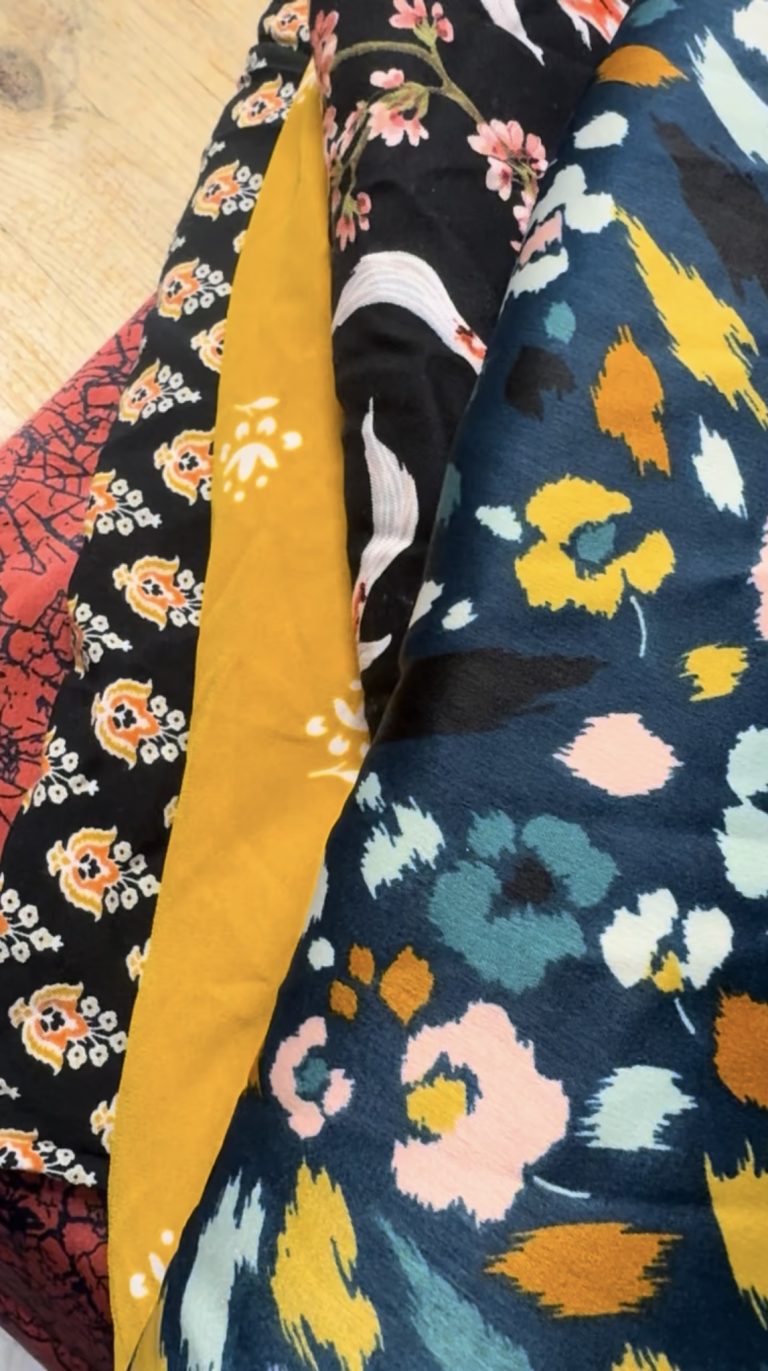
The clothes we wear most are our real staples, even if they aren’t on any approved list. Graphic tees and jeans. Flowy dresses and sandals. All black everything. Head-to-toe colour. All valid.
A so-called staple that never leaves the hanger isn’t foundational; it’s aspirational. Aspirational clothes collect dust.
I’m often told I dress like a perpetual art student. Sometimes it’s accurate, sometimes slightly teasing. Once, while picking up my son from school, someone asked if I was wearing Balenciaga. I wasn’t, I don’t own any Balenciaga. It was my paint-splattered overalls. They genuinely thought the splatters were intentional. Moments like that remind you style is subjective, contextual, and occasionally ridiculous and that’s fine.
The Freedom in Rejecting the Formula
Once we stop trying to build a wardrobe that looks like everyone else’s approved capsule, something liberating happens. We can buy the slightly odd vintage jacket that makes us happy instead of another “investment” camel coat. Skip the white button-down entirely. Own multiple variations of the same dress if it works for our life and body.
Trying new things is almost always worthwhile, not because it will transform us, but because it tells us what works, what doesn’t, and what we didn’t realise we liked.
Our wardrobe doesn’t need to pass a style test. It just needs to function, express us, and ideally bring a small amount of joy when we get dressed.
The Real Essential
If there’s one actual staple, it’s this: clothes that fit, suit our life, and make us feel like ourselves. Everything else is negotiable.
Wardrobe staples persist because they promise simplicity in a complex question: how do you dress yourself? You are not a template. Your closet shouldn’t be either. Try things. Fail. Keep what works. That alone is enough.